
Major divisions as Net Zero global shipping decarbonisation remains illusive
Published on May 11, 2026
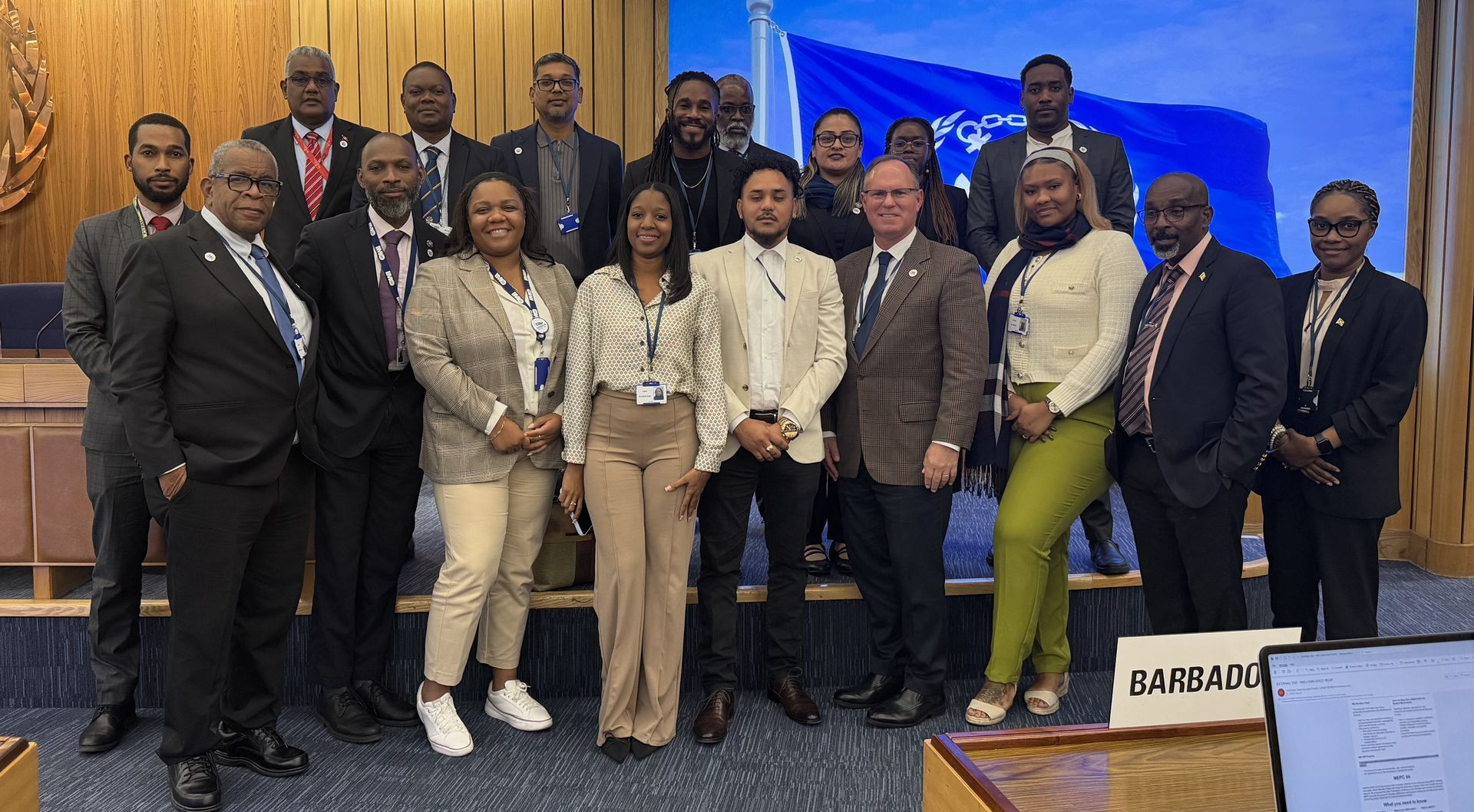
The International Maritime Organization (IMO) has concluded two weeks of high-stakes negotiations at its headquarters in London, revealing a significant geopolitical divergence over the future of global shipping decarbonization.
While technical progress on the Net Zero Framework (NZF) was advanced a final consensus on adoption remains elusive, and the priority for the months ahead.
The sessions were characterized by a clear split in the international community regarding the architecture of the IMO’s mid-term measures, in particular the NZF.
The Proponents: A broad coalition, led by European Union member states, Pacific Island nations, Mexico and Brazil, were vocal proponents of the NZF.
The Opposition: A group of nations led by the United States and Saudi Arabia voiced significant opposition to the NZF and its structure. These nations, along with several others, expressed concerns over the economic implications of GHG pricing and favored alternative approaches or no significant change to carbon emissions in shipping.
The Alternative Proposal: In lieu of the NZF, these opposing states rallied behind an alternative proposal introduced by Liberia, Argentina, and Panama.
The architecture of this approach favors a technical-only approach or a market readiness model, focusing on fuel intensity standards while seeking to remove or significantly alter the GHG pricing and revenue-distribution elements central to the NZF.
